Our new homepage tells a short story in four scenes: a fire on the savanna about 70,000 years ago, Cologne Cathedral, the night before Apollo 11, and San Francisco this morning.
It is about an old idea. When many people make one thing, what holds the work together is not that they share a room. It is what they share.
That idea has become practical again, because the people we work with now include agents.
One current plan
Construction of Cologne Cathedral began in 1248. Work stopped around 1473, and a wooden crane stood on the unfinished south tower for about four hundred years.
In the nineteenth century the medieval drawing of the west front was found again, one part in 1814 and another in 1816. Building resumed in 1842, and the cathedral was finished in 1880, following the medieval design.
Builders who never met, six centuries apart, finished one design. They could, because there was one plan, and it was the one everyone followed.
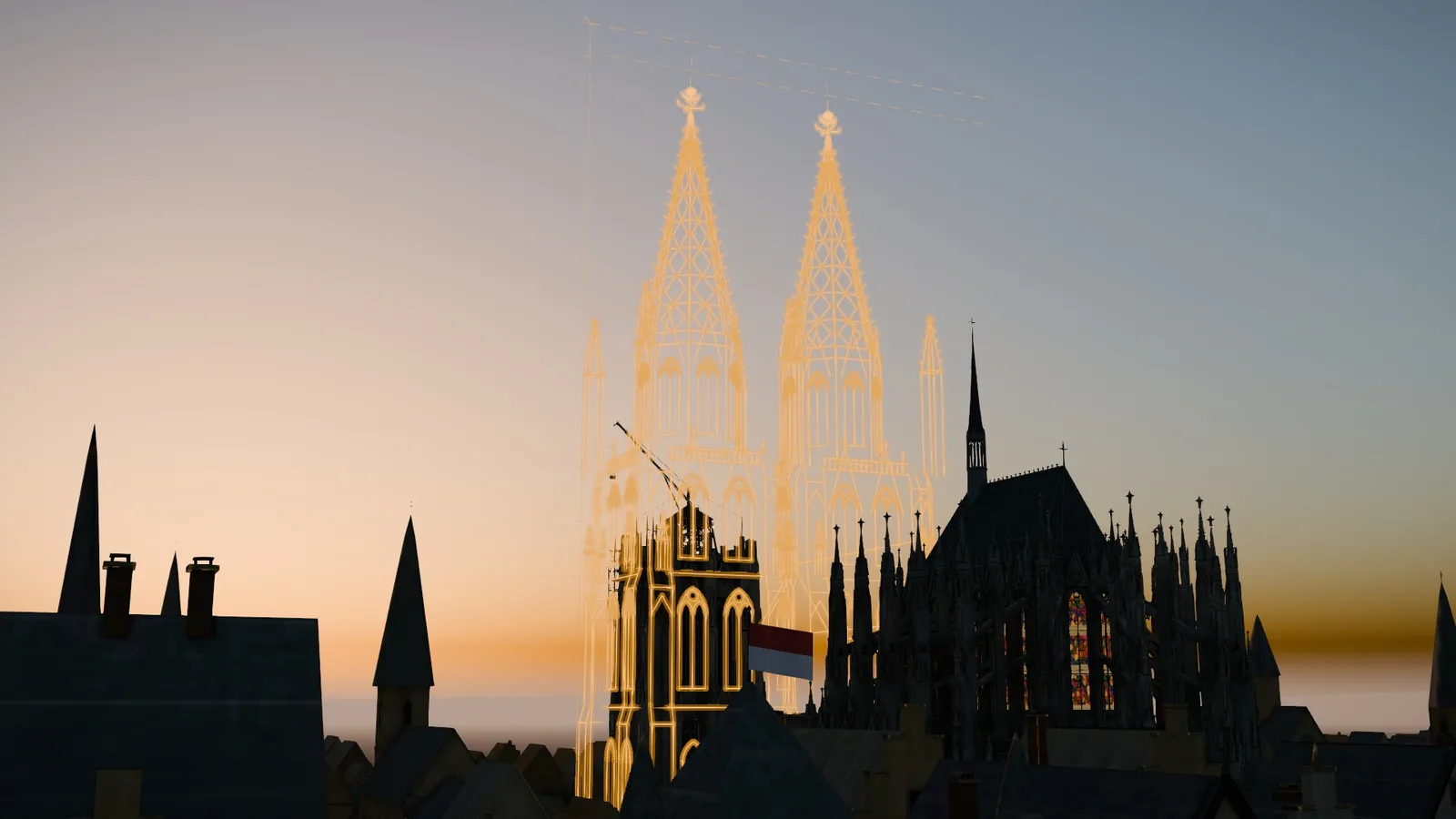
Agent work produces plans quickly. A task gets a plan, then a better plan, then a third after a test fails. Every version stays in the project. The risk is not losing the plan. It is continuing from the wrong one.
Write down what it means, before you need it
Minutes before Apollo 11 landed, the lunar module’s guidance computer raised a 1202 alarm, then a 1201. There was no time to work out what they meant.
Mission Control had already done that work. In simulations, the team had gone through the computer’s alarm codes and written down which ones were safe to fly through. With that list in hand, the call was “go.”
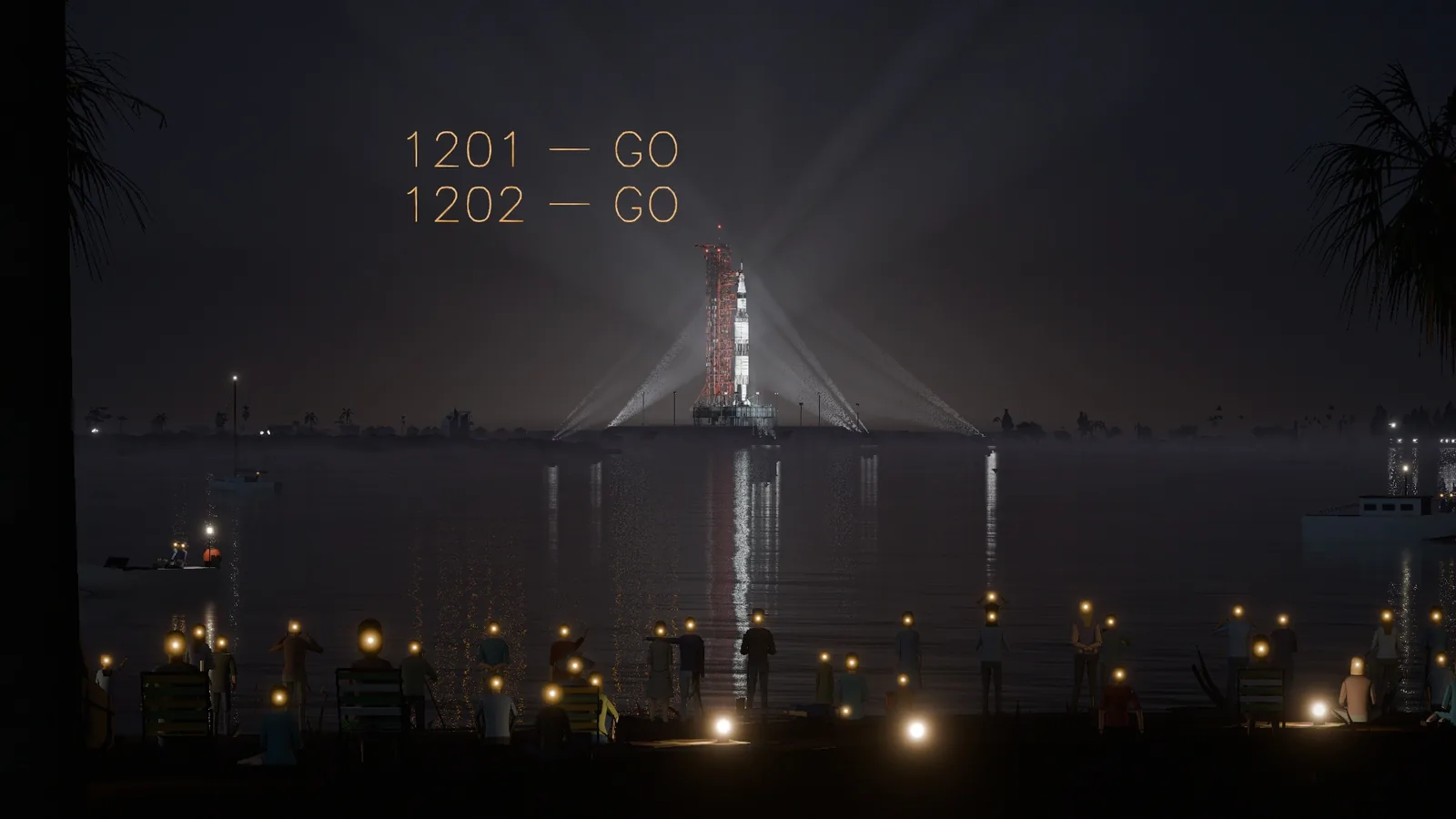
In agent work, the equivalent is the note that explains a decision: why a force limit changed, why a dependency was pinned, why the second plan replaced the first. Written down while it is fresh, it lets the next session, or the next person, act in seconds instead of working it out again.
Today, the many minds include agents
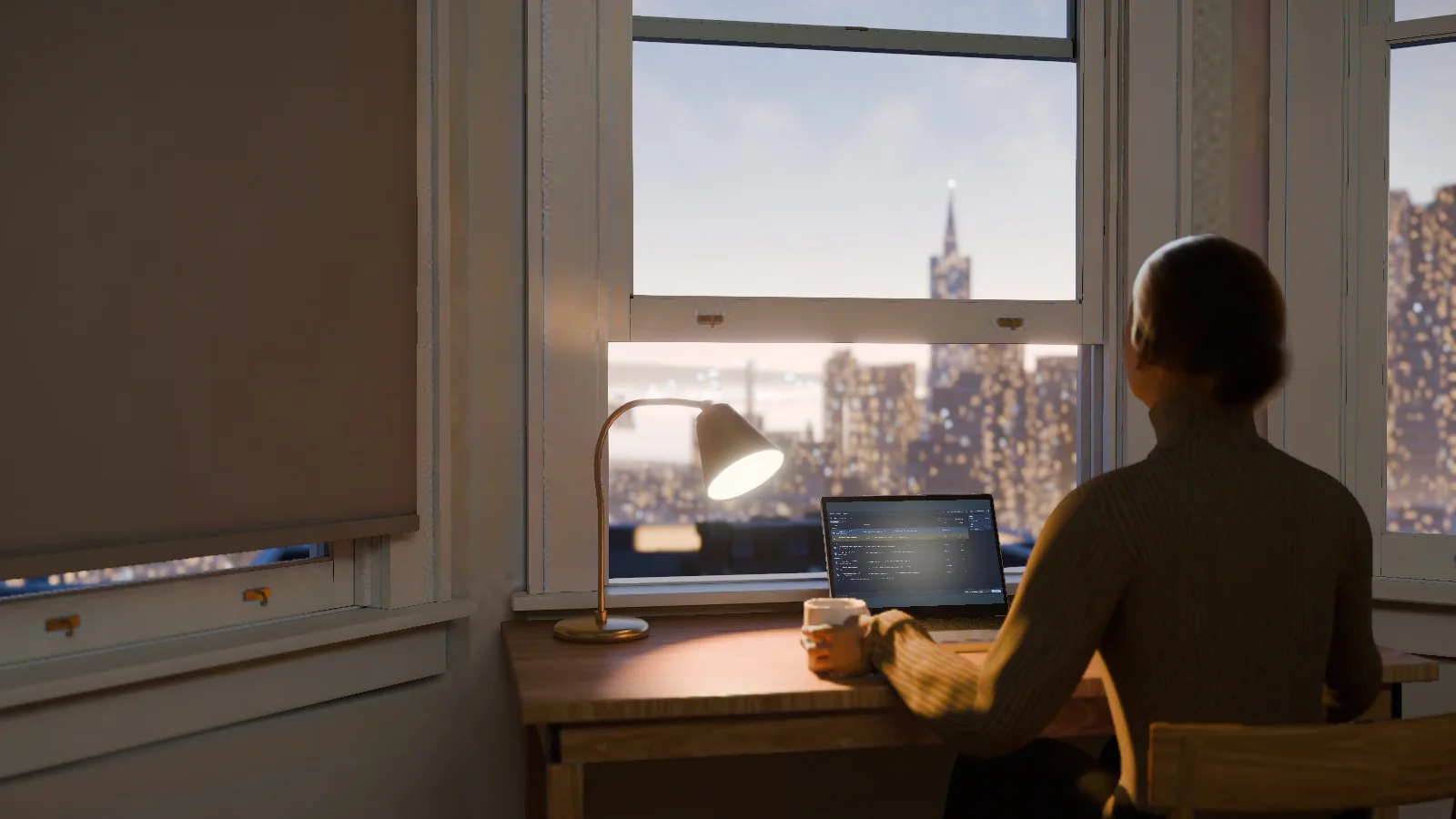
The last scene of the homepage is San Francisco at dawn, with windows lighting up across the city. Behind each one, someone is starting something, and more of them work with agents every month: one in a terminal, another in a second session, a third on a different machine.

It is the oldest pattern at a new scale. The work is split across more minds than ever, and some of them begin every session with no memory of the last one. The three habits still hold:
- Keep one current plan, and say what replaced what.
- Write down what decisions mean before they are needed.
- When work changes hands, hand over its context with it.
Where Continued fits
We built Continued, a Mac app, around those habits for people working with Claude Code and Codex.
- Every agent’s work in one place. Sessions side by side, and who is waiting on you, on your Mac or your phone.
- Say “continue,” and the right plan comes back. Continued tracks which plan replaced which.
- Every file knows who made it. Which agent, which session, and when.
- Hand off with the context. Move the work to another Mac or a teammate, and the context goes with it.
The habits come first; the app makes them the default. Two practical guides go deeper: how to continue an agent’s work without losing the plan and how to hand off agent work with its context.
See the story on our homepage, or download Continued for Mac.